
How the work started
When ChatGPT first became public in late 2022, I began using it to help with the market analysis I prepared for members. The first answers were polished but too neutral. A reader could finish the report and still have no clear view of the market. I learned to give the model my charts, my own read, and the comparisons I was making, then use it to test and sharpen the reasoning rather than ask it to decide for me.
Building the community operation
I led the member operation from the first public post through onboarding, curriculum, recurring content, support, moderation, payment access, and retention. I wrote a 48 page trading curriculum and coordinated the move from LaunchPass and Stripe to WordPress and MemberPress.
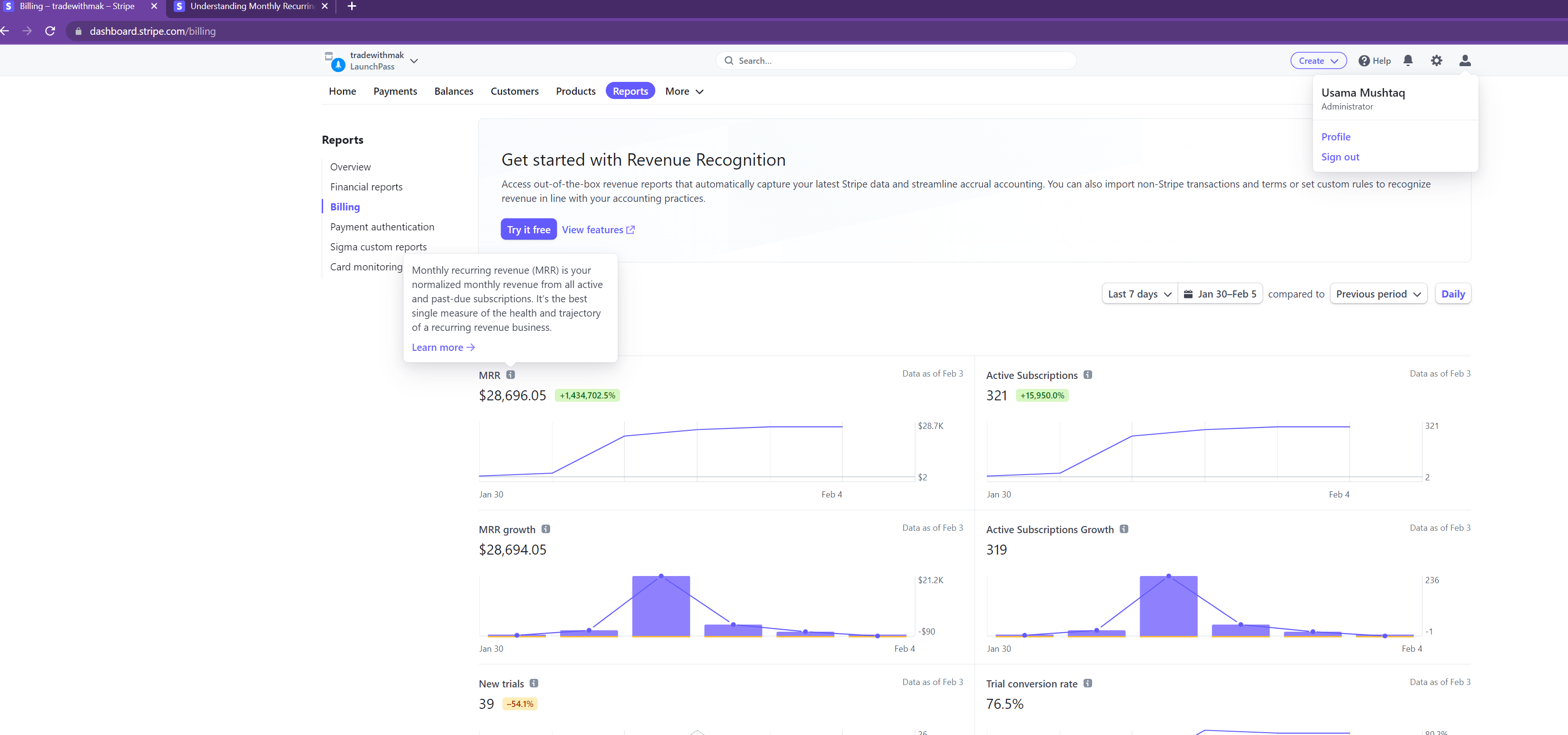
A dated Stripe snapshot recorded 321 active subscriptions and $28,696 in monthly recurring revenue. The community reached about 2,000 members across its channels at its peak.
- 2,000
- Approximate peak community membership
- 321
- Active subscriptions in a dated snapshot
- $28,696
- Monthly recurring revenue in the same snapshot
- 48 pages
- Original trading curriculum
Turning years of conversations into research
The Discord community holds years of trade ideas, chart notes, follow up messages, and adjustments. I wanted to turn that history into a record we could study. With Codex I built a Python and SQLite system that stores the original message, preserves edits, records the setup and market context, follows what happened afterward, and keeps moderator corrections with the record.
ChatGPT and Claude help me work through the research questions and review the logic. Codex helps me build and test the Python workflow. GitHub tracks the code and decisions. Google Docs and Sheets hold the rulebook, research notes, and review tables. n8n connects the steps that move an approved research item toward email, text, and community publishing.
What the system makes possible
- Preserve the original trade call and every later edit in one audit record.
- Compare setups by symbol, time frame, market condition, direction, and outcome.
- Keep the source message beside the structured fields so a reviewer can see what the system understood.
- Record moderator corrections and use them to improve the rules.
- Study repeated setups over time and turn community experience into measurable research.
The operating record